About
About Me
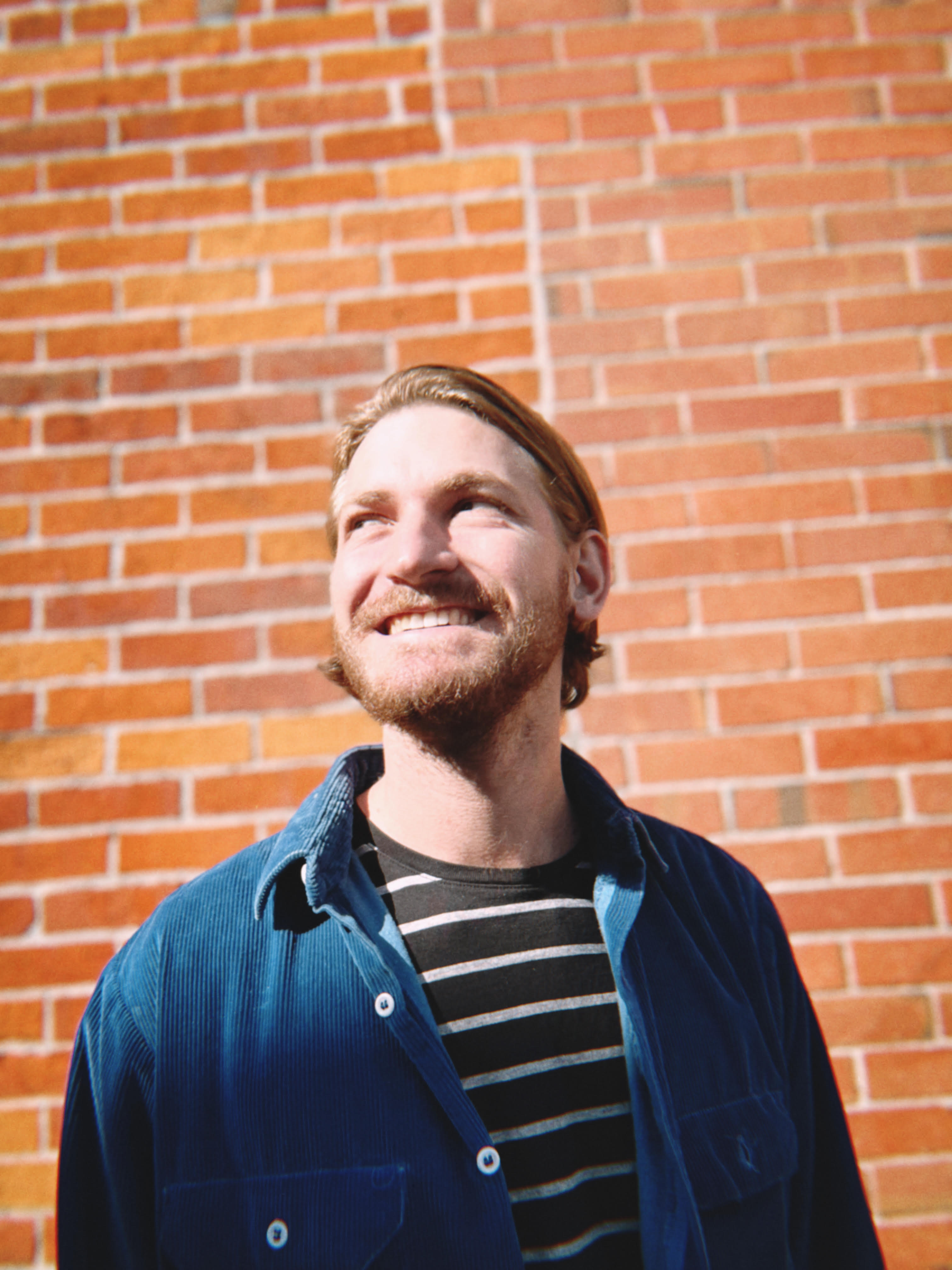
I completed my undergraduate training at SUNY Brockport, where I had the unique experience of studying within an interdisciplinary department integrating psychology, philosophy, and neuroscience. This environment fostered a broad intellectual foundation that shaped my approach to understanding human behavior — one that combines empirical rigor with philosophical questions surrounding cognition, identity, morality, and human flourishing. During my time at Brockport, I became increasingly interested in the relationship between neural systems, symbolic cognition, development, and psychopathology, as well as the ways in which psychological science can bridge mechanistic neurobiological explanations with questions of meaning and subjective experience.
My early research experience included work in psychometrics and scale development under Dr. Emily Hangen, culminating in research on unconditional self-worth and the development of a corresponding scale. This work provided me foundational training in psychological measurement, scale construction, and the quantitative assessment of complex internal and relational experiences. Through this research, I developed a growing interest in how self-concept, attachment, and identity valuation emerge across development and influence psychosocial outcomes.
“I believe psychology and neuroscience cannot be fully separated from questions of meaning, morality, symbolism, and human flourishing.”
In 2025, I was selected as a SUNY SURF Undergraduate Research Fellow at SUNY Upstate Medical University under the mentorship of Drs. Andrew Craig and Courtney Mauzy. There, I conducted research in basic behavioral science examining severe behavior and feeding disorders, while also gaining exposure to reward learning, decision-making, relapse phenomena, and translational animal models relevant to neuropsychiatric disorders. This experience deepened my interest in the neural and behavioral mechanisms underlying adaptive and maladaptive behavior, particularly the ways reinforcement processes shape cognition, emotion, and social functioning across development.
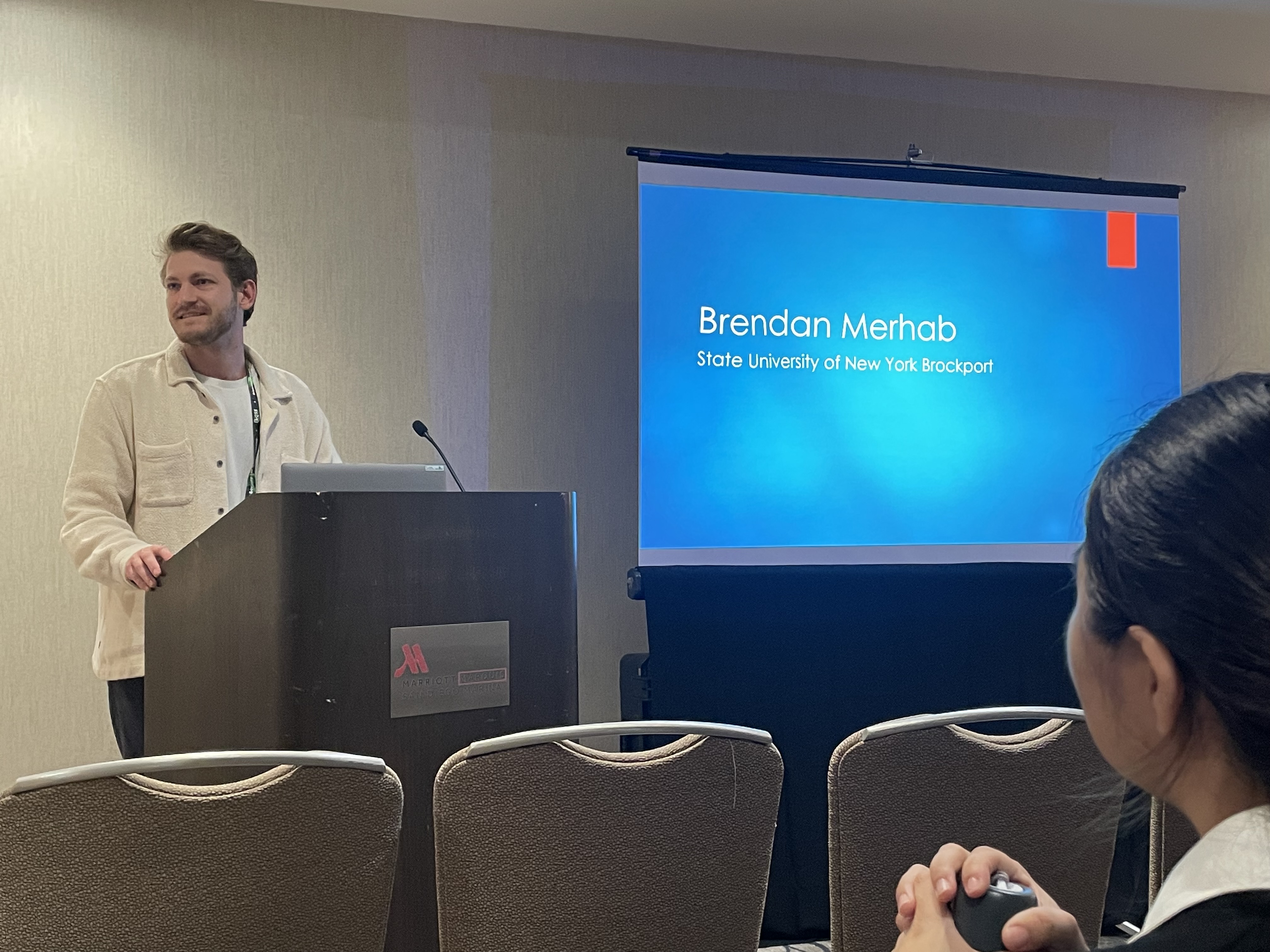
I also gained further experience in clinical and intervention research through an internship at the Children's Institute in Rochester, where I worked with Drs. Joe McFall & Erinn Duprey analyzing data from a randomized controlled trial evaluating school-based psychological interventions. This work expanded my exposure to applied clinical science and strengthened my interest in translating research into interventions capable of improving long-term developmental and behavioral outcomes.
Building on these experiences, I am beginning doctoral training at SUNY Upstate Medical University under the mentorship of Wei-dong Yao. My forthcoming research will investigate the neural circuitry underlying empathy loss in frontotemporal dementia using translational animal models, with the long-term goal of helping bridge circuit-level neuroscience findings to clinically meaningful applications in human neurodegenerative disease. More broadly, my work aims to contribute to an integrative understanding of how disruptions in neural systems alter social cognition, emotional processing, and the fundamental capacities underlying human interpersonal life.
Alongside my research, I founded the Mind, Brain & Sciences Society at Brockport to help undergraduate students navigate research opportunities, graduate training pathways, and scientific literacy within psychology, philosophy, and neuroscience. I remain deeply interested in mentorship, interdisciplinary scholarship, and building bridges between neuroscience, clinical science, philosophy, and the humanities in pursuit of a more comprehensive understanding of the human experience.
Focus Areas
Current Research Interests
Clinical & Behavioral Science
- Translational behavioral neuroscience
- Social cognition and empathy dysfunction
- Decision-making and relapse mechanisms
- Developmental and environmental influences on behavioral expression
Development & Self-Concept
- The Architecture of Mind
- Caregiver relationships
- Divine attachment frameworks
Cognition & Ideology
- Symbolic cognition
- Abstraction
- Ideological psychology
- Unconscious processing